The conflict between the US and Iran that has restricted shipping through the Straits of Hormuz has affected the whole world. The immediate impact has been the increase in the cost of fuel. For voters in the US, the rise is the gas price was a significant factor behind the disastrous mid-term election results for the Republicans.
Japanese government waited for less than a month to use the reduction in shipping through Hormuz as an excuse to relax restrictions on the operation of inefficient coal-fired power stations.
More recently, the UK government approved renewed gas drilling in the North Sea, asserting the need to improve energy security.
These are cynical short term measures which show how shallow are Japan’s and the UK’s commitments to addressing climate change.
Of course, every such announcement is accompanied by an assurance that long term climate goals remain in place. The can is just kicked further down the road.
While there were no immediate threats to energy supplies in Japan and the UK, in some countries, particularly in Asia, the oil shock resulted in actual shortages. Pakistan had to drastically cut power generation at liquid natural gas (LNG) fired power plants. Bangladesh experienced gas rationing, factory shut-downs and electricity interruptions. Sri Lanka, Nepal and the Philippines had to introduce emergency fuel-conservation measures.
Of course, these examples from Asia show that fossil fuel reductions are possible.
Covid 19 and Ukraine war shocks
The previous energy shocks were caused by the Covid 19 pandemic and the Russian invasion of Ukraine.
After the end of the pandemic, there was a rapid increase in energy demand, which outstripped the available supplies. The global response was to invest in fossil fuels, to improve supplies and to provide an additional stimulus to national economies.
The previous energy shock was caused by the Russian invasion of Ukraine. Russia made huge cuts in gas supplied through pipelines to Europe. Sharply higher energy prices led to reduced industrial production.
The closure, or partial closure, of shipping through the Strait of Hormuz has resulted in higher oil and gas prices, and reduced supplies.
“Opportunities for renewables”
Climate advocates urged governments to use these crises to move away from fossil fuels towards renewables. Government leaders themselves made some optimistic statements about the opportunities for an acceleration to a renewable energy transition.
But for the post pandemic and Ukraine energy shocks, the immediate responses were to find alternative sources fossil fuel. There were increases in the use of coal. Germany brought coal-fired power stations back into operation and postponed the closure of others. In the rest of Europe, the burning of coal increased temporarily.
But the more long term European response was to expand LNG infrastructure.
Many governments introduced measures to shield citizens from the effect of price increases. But these often undercut existing policies aimed at reducing use of the use of fossil fuels. A common response was the introduction of electricity price subsidies and or a cap on energy prices.
More progressive policies that some countries instituted were
- compensation of citizens or industries in need
- windfall taxes on fossil fuel suppliers (obviously strongly opposed by the companies themselves)
- subsidization of public transport and speed limits.
The need for swift reduction in carbon emissions is totally clear. The Intergovernmental Panel on Climate Change (IPCC) in 2023 produced a chart showing how quickly emissions must be curbed to reach anywhere close to 2° global temperature increases. For 1.5°, the reduction was dramatic and immediate, and is clearly out of reach. For 2°, the dramatic reductions are envisaged to start in 2030, only 3 years from now.
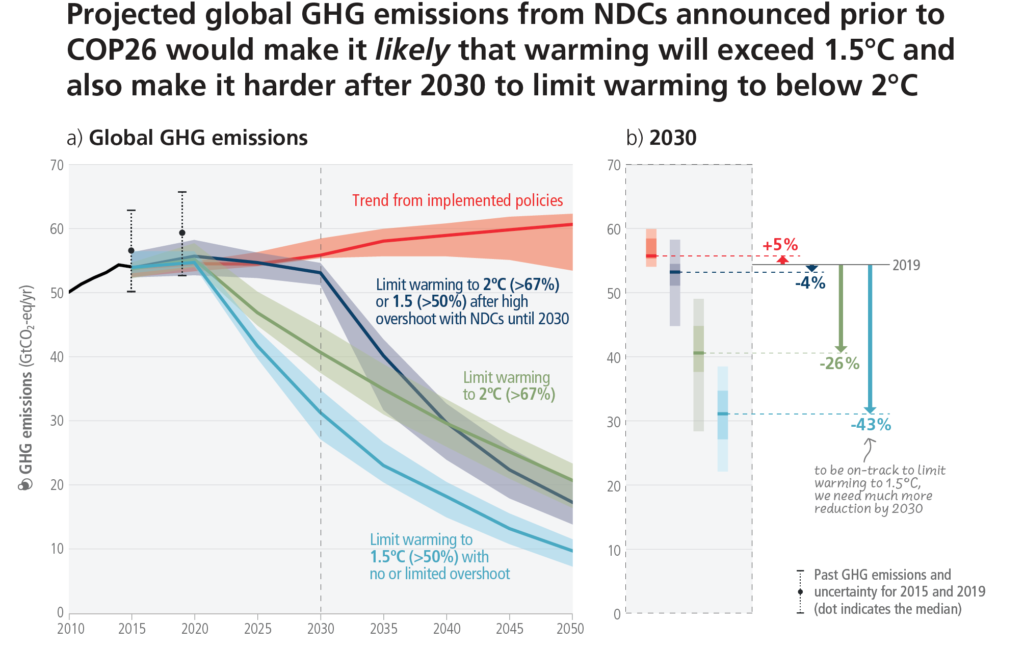
https://www.ipcc.ch/report/ar6/syr/figures/figure-2-5/?utm_source=chatgpt.com
The shocks to energy systems across the world will be far more severe than the shocks from the Ukraine and Iran wars. Massive state intervention will be required.
It is abundantly clear that capitalism and market economies are totally unable to implement the fossil fuel reductions so urgently needed.
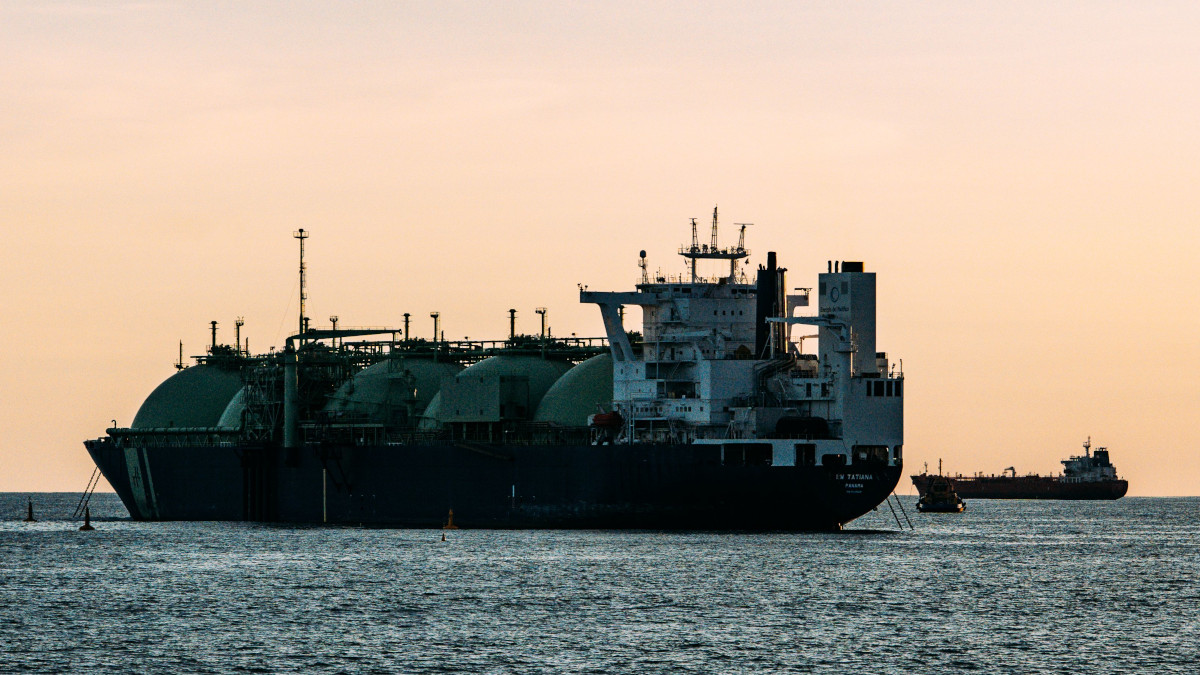
Photo of oil tanker by fotógrafo salvadoreño Edu Raw on Pexels (image cropped)
Leave a Reply